


Always Ready
to Help!!!
Kuntal Khasnobish
Sales Representative
RE/MAX Realty Services Inc., Brokerage

Will the Bank of Canada Increase or Decrease Interest Rates in December 2026?
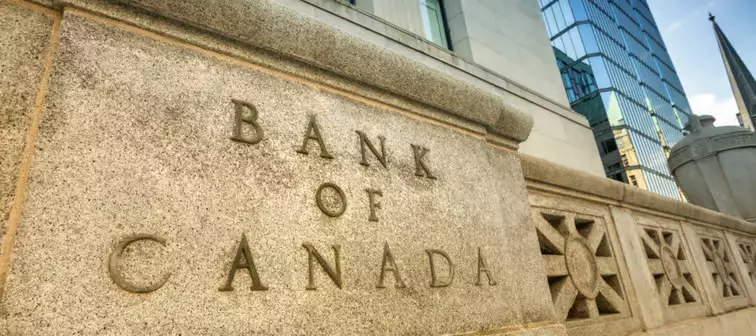
Will the Bank of Canada Increase or Decrease Interest Rates in December 2026?
The December interest rate decision could change the mortgage market heading into 2027. And this time, the direction of the Bank of Canada’s next move may surprise homeowners, buyers, and anyone planning to renew a mortgage.
After the Bank of Canada raised its overnight rate to 2.50% on October 28, 2026, Canadians are now watching closely for the next announcement on December 9, 2026.
Bank of Canada+2As inflation pressures continue, energy costs remain a concern, and Canada's economy faces uncertainty, the big question is:
Will the Bank of Canada increase rates again, hold steady, or start cutting rates?
Let's break down the latest data, forecasts, and what this could mean for buyers and sellers across Toronto, Barrie, Angus, Simcoe County, and the GTA.
1. What Is the Current Bank of Canada Interest Rate?
As of November 27, 2026, the Bank of Canada’s overnight policy rate is:
Current overnight policy rate: 2.50% (Increased by 0.25% on October 28, 2026)
Previous rate: 2.25%
Next announcement: December 9, 2026
The October increase was the Bank's first rate hike in approximately three years. The decision was driven primarily by concern that persistently high energy costs could spread into other prices and create longer-lasting inflation.
Bank of Canada+12. Will Interest Rates Increase in December 2026?
The latest forecast points toward an increase.
As of November 26, 2026, forecasts from Canada's six major banks reportedly all point toward a 25-basis-point increase at the December 9 announcement.
That would move the overnight policy rate:
-
Current: 2.50%
-
Potential December increase: 0.25%
-
Possible new rate: 2.75%
The latest compilation of forecasts indicates all six major Canadian banks are now expecting a December increase, although their outlooks for 2027 differ.
ValeryMy outlook for December 2026
Most likely scenario: 0.25% increase
Bank of Canada rate could move from 2.50% to 2.75%.
Forecast, not a confirmed decision. The Bank of Canada will announce its actual decision on December 9.A rate increase is not guaranteed. The Bank will review incoming inflation, employment, economic growth, and other developments before making its final decision.
3. Why Could the Bank of Canada Increase Rates Again?
Several important factors could influence the December decision.
A. Inflation remains above the Bank's target
Canada's inflation target is 2%. However, inflation has been running above that level.
According to recent reporting, Canada's CPI inflation was 3.1% in October 2026. Energy prices, transportation costs, and businesses passing higher operating expenses to consumers remain important concerns.
ReutersWhen inflation stays elevated for too long, the Bank may increase interest rates to slow spending and reduce inflationary pressure.
B. Energy prices are creating pressure
Higher oil, gasoline, diesel, and heating costs affect more than just the price at the pump.
They can increase costs for:
-
Transportation and shipping
-
Grocery deliveries
-
Construction materials
-
Home heating
-
Manufacturing
-
Businesses operating across Canada
The Bank of Canada has expressed concern that higher energy costs could spread into the broader economy and make inflation more persistent.
Bank of Canada+1C. The economy is showing resilience
Canada's economy has not weakened as much as some had expected. Stronger-than-anticipated economic activity could make the Bank more cautious about cutting rates.
The Bank's October outlook projected Canadian GDP growth of approximately 1% for 2026 and 2% for 2027, while noting trade-related uncertainty and a relatively weak housing outlook.
Bank of CanadaD. Inflation expectations are important
The Bank doesn't only look at today's inflation numbers. It also watches what households and businesses expect inflation to be in the future.
If companies continue passing higher costs onto customers, inflation could become harder to control.
4. What Are Canada's Major Banks Predicting?
The latest forecasts show a shift in expectations toward another rate increase in December.
|
Major bank |
December 2026 forecast |
|---|---|
|
RBC |
2.75% |
|
Scotiabank |
2.75% |
|
National Bank |
2.75% |
|
BMO |
2.75% |
|
CIBC |
2.75% |
|
TD |
2.75% |
All six major banks are currently forecasting a 0.25% increase for December, according to a November 26 compilation of their forecasts.
ValeryHowever, the banks are not fully aligned on what happens next. Some expect the rate to remain at 2.75% throughout 2027, while others see additional increases toward 3.00% or 3.25%.
ValeryThis means Canadians shouldn't make their mortgage decisions based solely on the December announcement. The bigger question is what interest rates could look like over the next 12–24 months.
5. What Will a Rate Increase Mean for Your Mortgage?
If the Bank of Canada increases its rate by 0.25%, borrowers with variable-rate mortgages could feel the impact.
For example, a mortgage of $500,000 with a variable rate tied to prime could see a payment increase of approximately $70 per month, depending on the mortgage terms and lender calculation.
ValeryIllustrative mortgage impact
Mortgage balance: $500,000
Possible rate increase: 0.25%
Estimated payment impact: approximately $70/month
Illustrative example only. Actual payments depend on lender, amortization, mortgage type, and rate discount.Variable-rate mortgage holders
If you currently have a variable mortgage, you should pay attention to the December decision.
A rate increase may mean:
-
Higher monthly payments on adjustable-payment mortgages
-
More interest paid over time
-
Less principal paid down with fixed-payment variable mortgages
-
A potentially tighter household budget
Fixed-rate mortgage holders
If you already have a fixed-rate mortgage, a Bank of Canada overnight rate increase does not automatically change your current mortgage payment.
However, fixed mortgage rates can be affected by bond yields, market expectations, and lender pricing. This is why fixed mortgage rates can sometimes move before the Bank of Canada announces a decision.
6. What Does This Mean for Home Buyers in Toronto, Barrie, Angus and Simcoe County?
For buyers entering the market, the possibility of another rate increase creates both challenges and opportunities.
Toronto and the GTA
Higher borrowing costs may make buyers more cautious, particularly those stretching their budgets to purchase detached homes, townhouses, or condos.
Buyers may become more selective and negotiate harder on properties that have been sitting on the market.
Barrie and Simcoe County
For buyers looking in Barrie, Angus, Essa, Innisfil, and surrounding communities, affordability remains a major consideration.
A buyer who cannot comfortably afford a property at today's mortgage rates may need to:
-
Increase their down payment
-
Consider a townhouse instead of a detached home
-
Look at a different neighbourhood
-
Reduce their purchase budget
-
Explore properties with potential rental income, where appropriate and permitted
Angus and Essa
For buyers looking outside the GTA, communities such as Angus and Essa may offer an alternative for people seeking more space, family-friendly neighbourhoods, or a different price point than Toronto.
But buyers should remember that lower purchase prices don't automatically mean lower total ownership costs. Property taxes, insurance, utilities, commuting expenses, and mortgage rates must all be considered.
7. Could the Bank of Canada Hold or Decrease Rates Instead?
Yes. A December rate increase is currently the leading forecast, but there are other possibilities.
Scenario 1: Bank of Canada increases rates by 0.25%
This could happen if inflation remains elevated, energy prices create further pressure, or the Bank believes inflation risks are becoming more persistent.
Potential outcome: Overnight rate rises to 2.75%.
Scenario 2: Bank of Canada holds rates at 2.50%
If economic growth weakens, employment deteriorates, inflation begins to ease, or uncertainty increases significantly, the Bank may decide to wait.
Potential outcome: Rate stays at 2.50%.
Scenario 3: Bank of Canada decreases rates
A rate cut in December currently appears less likely based on the latest major-bank forecasts.
A substantial weakening in the economy or a faster-than-expected decline in inflation could potentially change the outlook.
Potential outcome: Rate decreases to 2.25%, but this is not the prevailing forecast right now.
8. What Should Buyers and Sellers Do Before December 9?
If you're planning to buy a home
Don't wait for interest rates to make your entire decision for you.
-
Get a mortgage pre-approval and understand the rate hold conditions.
-
Know your maximum comfortable monthly payment.
-
Review your closing costs and down payment.
-
Consider whether a variable or fixed mortgage suits your financial situation.
-
Watch for motivated sellers and properties with longer days on market.
-
Negotiate based on the property's value, not just interest rate headlines.
If you're planning to sell
Higher interest rates can influence buyer affordability and confidence.
Before listing your property:
-
Price it based on current comparable sales.
-
Make your home show-ready.
-
Avoid overpricing based on previous market highs.
-
Understand your competition.
-
Prepare for buyers to negotiate more aggressively.
In a changing market, correct pricing and strong marketing can make a major difference.
9. My Prediction for December 2026
Based on the latest inflation developments, the October Bank of Canada decision, and forecasts from the major Canadian banks, my outlook is:
December 9, 2026: Rate increase is the leading scenario
2.50% -> 2.75%
My expectation: a 0.25% increase
Confidence: Moderate — subject to incoming economic data and the Bank's decision.
The Bank of Canada is dealing with a difficult balancing act. Inflation remains above target, but the economy also faces trade uncertainty and pressure on households.
The December announcement could influence mortgage rates, buyer confidence, housing activity, and real estate market sentiment heading into 2027.
If you're buying, selling, renewing your mortgage, or investing in real estate, this is a decision worth watching closely.
Final Takeaway
Don't panic. Don't wait blindly. And don't make a real estate decision based on one interest rate announcement.
The December 9 Bank of Canada decision is important, but your mortgage strategy, financial position, property choice, and local market conditions are just as important.
Whether you're buying or selling in Toronto, Barrie, Angus, Essa, or Simcoe County, having the right strategy in a changing interest rate environment could make a significant difference.
Disclaimer: This blog is for informational and educational purposes only. Interest rate forecasts are not guaranteed, and this article should not be considered financial, mortgage, investment, or legal advice.
#BankOfCanada #InterestRatesCanada #MortgageRates #CanadaRealEstate #TorontoRealEstate #GTARealEstate #BarrieRealEstate #AngusOntario #SimcoeCounty #HomeBuyersCanada #MortgageRenewal #HousingMarket2026 #RealEstate2027 #OntarioRealEstate #RealEstateMarketUpdate